
How to Get a Free Domain Name Transfer for Your Affiliate Business

Introduction: Why Domain Transfers Matter for Your Affiliate Business
Picture this. You have five affiliate websites running on different registrars. Each renewal date is different. Each login is different. And each year, you pay more than you probably should for domains you already own. Sound familiar?
If you are scaling an affiliate business, every dollar counts. And every minute you waste hunting down login credentials is a minute you could spend creating content or building links. That is where a free domain name transfer can change the game.
Moving your domains to one place does two big things. First, it saves you money. Many top registrars offer a free transfer domain name promotion when you bring your existing domains to them. Second, it simplifies your workflow. Instead of juggling five different control panels, you manage everything from one dashboard.

But here is the catch. Not every "free" offer is truly free. Some registrars tack on hidden fees or make it hard to leave later. Others lock your domain for an extra year without telling you. The ICANN Transfer Policy sets the rules for how transfers work, but each registrar applies those rules a little differently.
In 2026, things are changing too. ICANN has updated its policies around domain transfers and security, which means some older tricks registrars used are no longer allowed. The new ICANN Updates 2026 focus on making transfers smoother and more secure for domain owners like you.
This article cuts through the noise. I will walk you through a structured, step by step process to transfer your domains for free. No fluff. No guesswork. Just a clear path to save money and streamline your affiliate business.
Let us get started.
1. Understand What a Free Domain Transfer Really Means
Before you start moving domains, it helps to know what you are actually getting. A free domain name transfer sounds like you pay nothing. But here is the reality.
Most registrars use "free" to mean they waive the transfer fee. You still have to pay for a one year renewal on the domain.
This is not a trick. It is actually required by ICANN rules. When you transfer a domain to a new registrar, that registrar must add at least one year to the domain’s expiration date. So a domain set to expire in August 2027 will now expire in August 2028. That extra year is not free. It is the normal yearly renewal price.
The ICANN Domain Name Transfers resource explains that the Transfer Policy is designed to make moving domains straightforward.
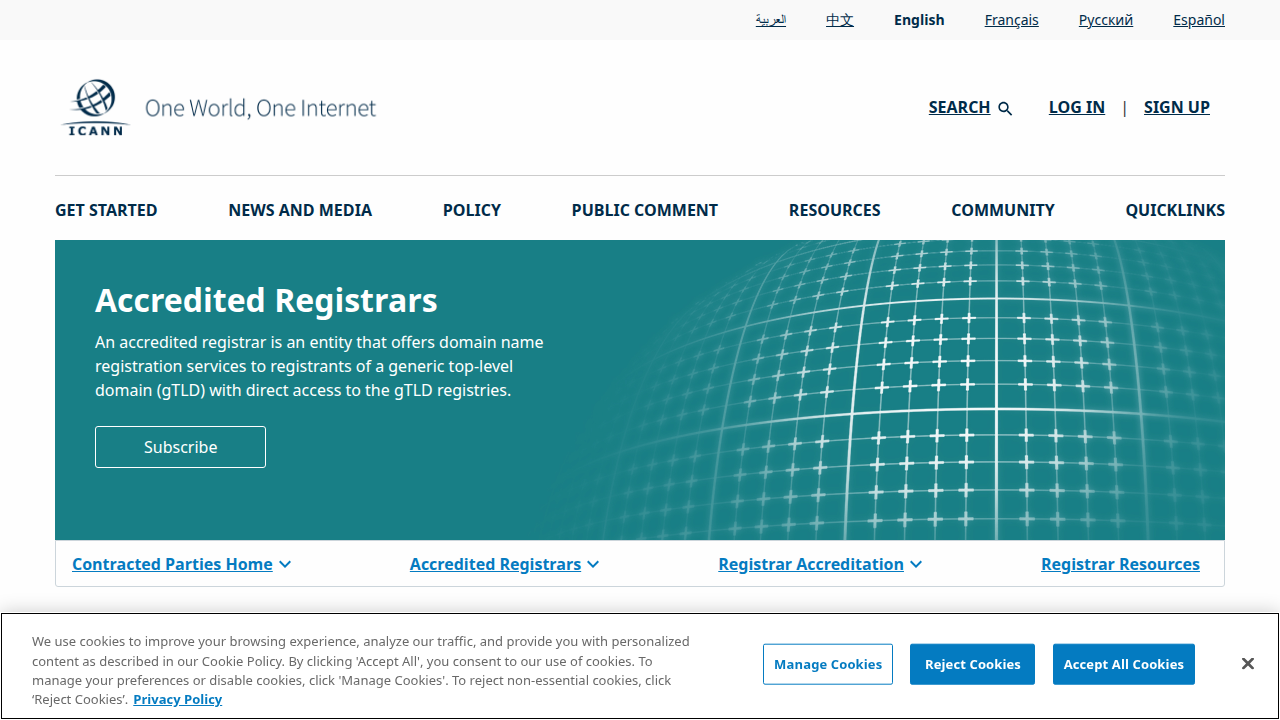
Part of that policy is the requirement to extend registration upon transfer. So when you see a promotion for a free transfer, remember: you are paying for the renewal, not the move itself.
This is also why you should never confuse a free transfer with a free domain registration. A free registration means you get a brand new domain without paying the first year. A free transfer means you are moving an existing domain you already own, and you are covering the renewal cost. They are two different things.
The new ICANN Updates 2026 make the transfer process even clearer and more secure. These updates focus on transparency, so you know exactly what you are paying for up front. That is good news for affiliate site owners who want to move several domains without getting hit with surprise charges.
In short, a free transfer saves you the transfer fee but not the renewal. Budget for that renewal cost, and you will avoid confusion later. Next, we will look at how to prepare your domains before you start the transfer process.
2. Top Registrars Offering Free Inbound Transfers in 2026
Now that you know the real cost of a free transfer (the renewal fee), let’s look at which registrars actually waive the transfer fee in 2026. These are the names you see most often when searching for a free domain name transfer. Each one has a slightly different setup, so pick the one that matches your needs.
Cloudflare Registrar
Cloudflare is a major player if you want simplicity and low markups. They use cost-plus pricing, meaning they only charge what the registry charges plus a small fee.
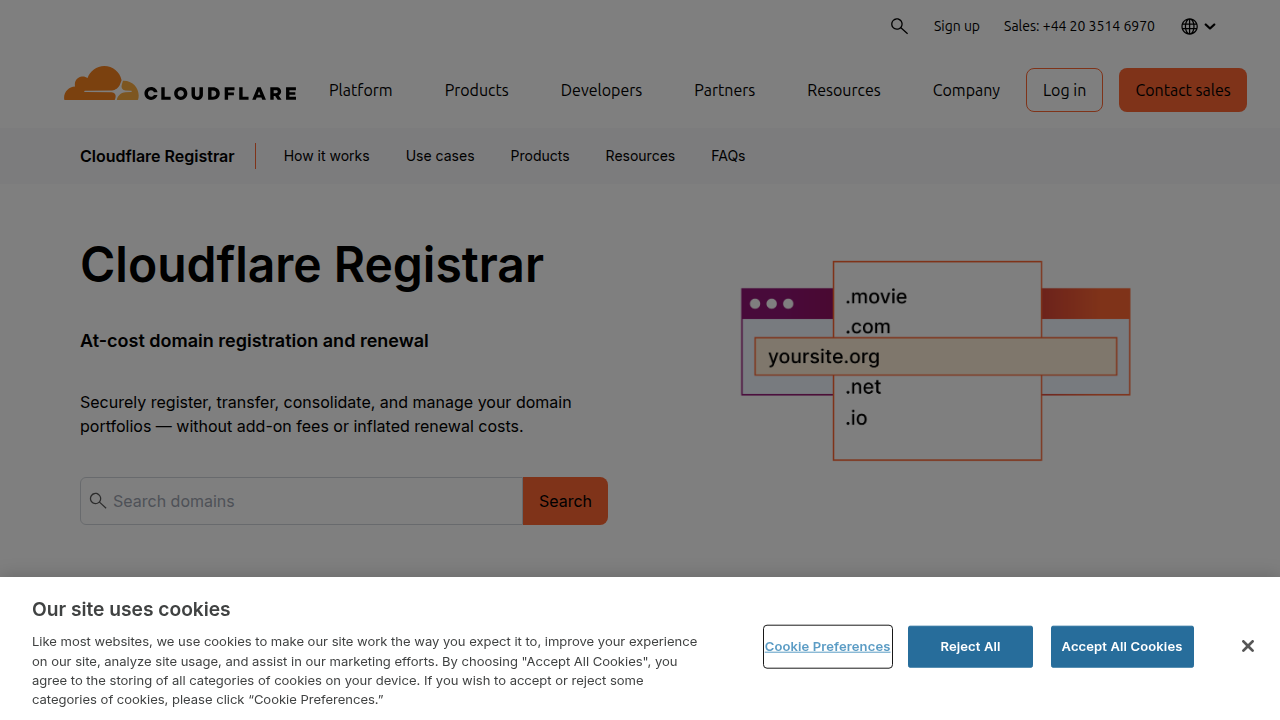
That already keeps renewals cheap. On top of that, they offer free incoming transfers. You pay the one-year renewal cost and nothing extra for the move. According to a comparison of best domain registrars in 2026, Cloudflare consistently ranks high for transparency because there are no hidden upsells. If you manage DNS with Cloudflare already, this option is a natural fit.
Namecheap
Namecheap is one of the most well-known top domain registrars for good reason. They run frequent promotions where you can transfer domain name free using a coupon code.
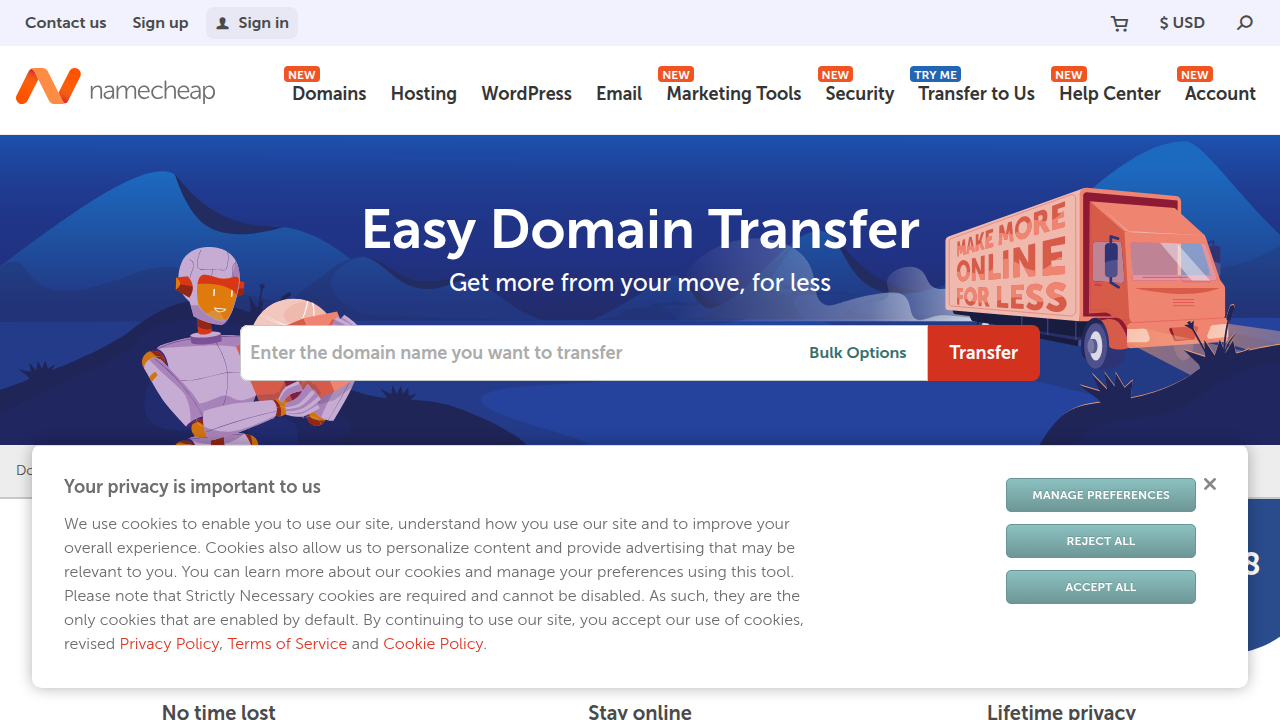
You still pay the one-year renewal, but the transfer fee is waived. The trick is to watch for those promotions. They usually appear around holidays or during special sales events. Namecheap also gives you free privacy protection, which is a nice bonus. Just be sure to check the coupon terms before you start the transfer.
Porkbun
Porkbun has gained a loyal following thanks to competitive pricing and a no-fuss interface. They run occasional offers for a free transfer domain name, but these are less frequent than Namecheap’s. When the offer is active, you get the transfer itself for free and pay only the standard renewal. Porkbun also stands out for low renewal rates on many TLDs, so if you plan to keep the domain long-term, it could save you money year after year.
Other Worthwhile Options
- IONOS offers free domain transfers with no transfer fee and no added costs beyond renewal. They also bundle email services, which can be handy.
- Get Dotted provides simple and free transfers with a 20% renewal discount, plus a free email address and a one-page site. Renewals start at just £6.00.
Each of these registrars makes it easy to move your domains without paying a fee. Just remember: you always pay for the added year of registration. Compare renewal prices, and choose a registrar that fits your long-term goals.
3. The Step‑by‑Step Process to Transfer a Domain for Free
Okay, you have picked your new registrar from the list above. Now it is time to do the actual move. The good news is that the steps are the same no matter which registrar you pick. Here is the simple process to get your free domain name transfer done right.
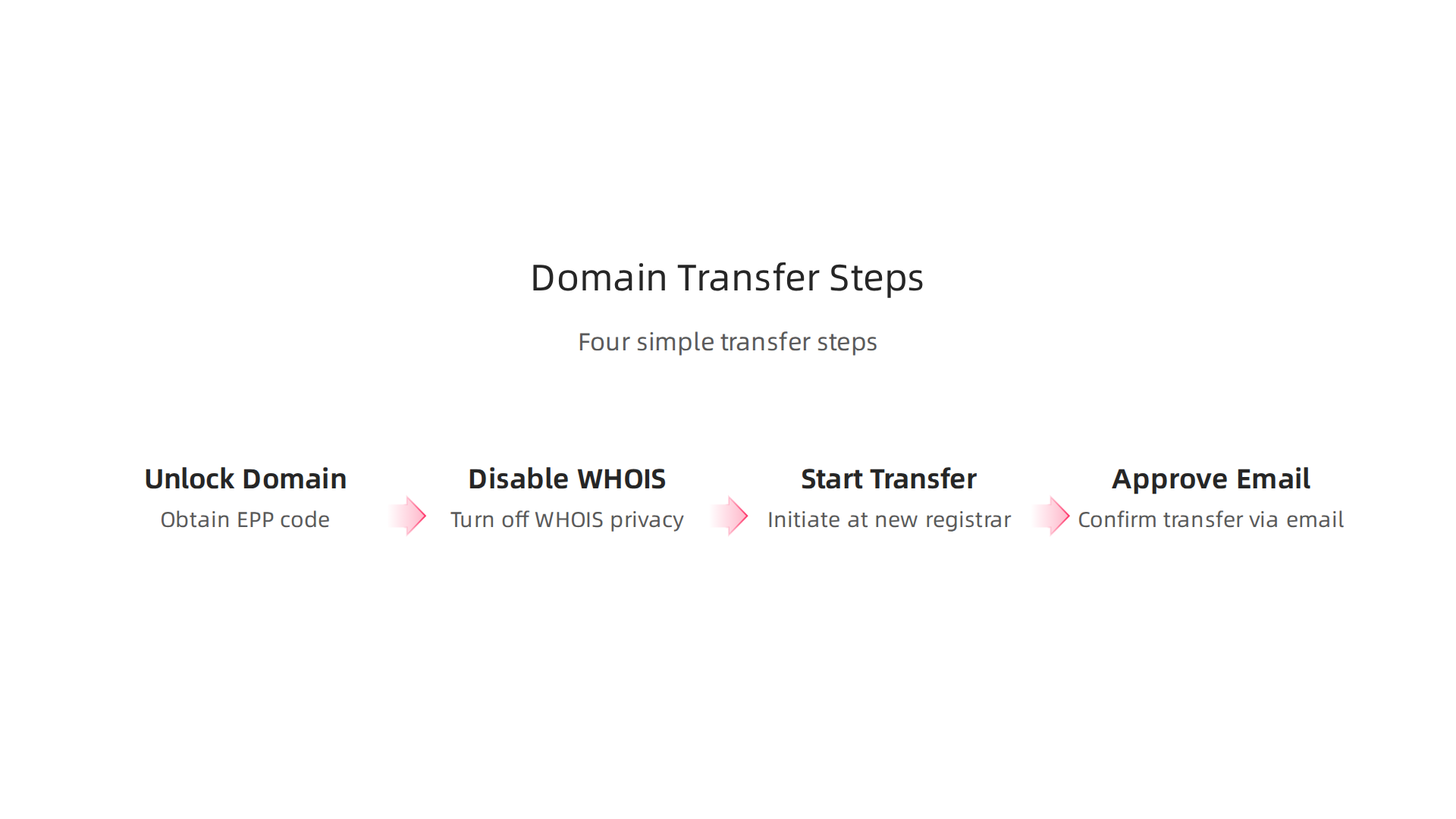
Step 1: Unlock Your Domain and Get the EPP Code
First, log into your current account and unlock your domain. Your registrar might lock it by default to stop theft. You need to turn that off first. According to this guide from CapConnect, disabling the lock is a standard first move. While you are there, find the option to request your EPP code. This is your authorization code. Think of it as a password for your domain. You can find the simple steps for this in this article from NameSilo.
Step 2: Turn Off WHOIS Privacy
This step is easy to forget. Domain privacy services can accidentally block your confirmation email. That will cause delays. Just turn it off for now. You can turn it back on as soon as the move is complete.
Step 3: Start the Transfer at Your New Registrar
Now go to the new registrar you chose. Look for an option labeled "Transfer In" or something similar. Enter the domain name and paste in your EPP code. The system will ask you to pay for the one-year renewal. Remember what we talked about earlier? This is the only real cost of a free transfer. Just pay it and move on.
Step 4: Approve the Transfer Email
This is the most important part. Check your email. You will get a message asking you to approve the transfer. You usually have a short window to click the link. If you do not approve it, the transfer will fail. Once you approve, the process usually takes between 5 to 7 days to finish, as explained in this complete 2026 domain transfer guide.
Follow these steps carefully, and you will have your domain at the new registrar with no extra fees.
4. Hidden Costs and Conditions of Free Transfer Offers
A free domain name transfer sounds amazing, right? Who does not want to save money? But here is the thing. Many offers that say "free transfer" come with strings attached. You want to avoid surprises down the road.
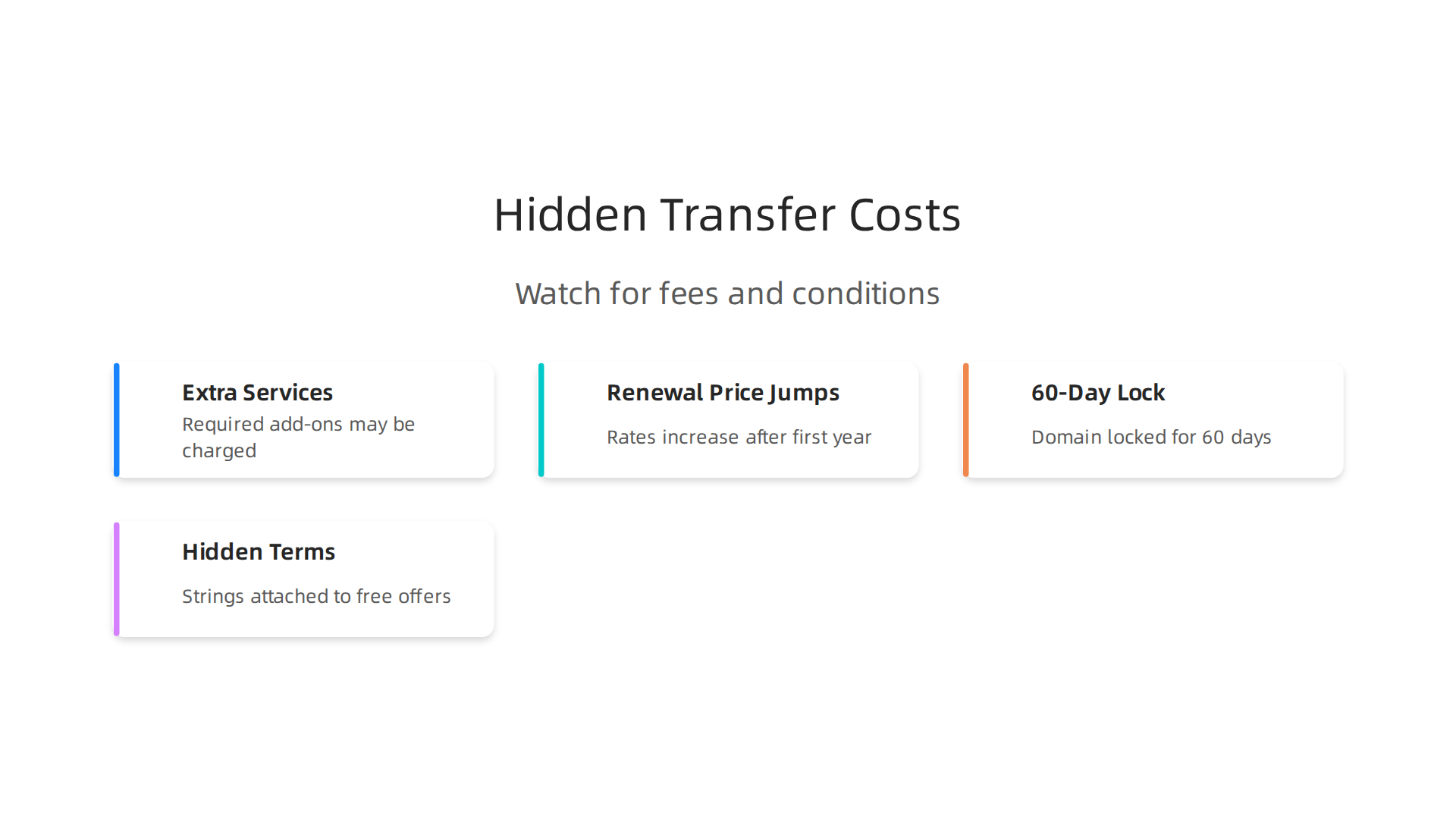
You might have to buy extra services first.
Some registrars only let you transfer for free if you also purchase hosting, email, or WHOIS privacy from them. The transfer itself costs nothing. But the add-ons add up fast. Always read the terms. If the deal requires a two-year hosting plan you do not need, it is not really a free transfer domain name offer at all. As NiceNIC explains, transparent pricing should be your goal.
Renewal prices jump after the first year.
This is the biggest trap. A $0 transfer fee gets you in the door. But the next year, that same domain might cost you $15.99 or even $21.99. A domain that cost $1.99 initially might renew at $15.99 or $19.99 annually, as NameSilo points out. The difference is huge. According to a 2026 domain cost breakdown, renewal prices for .com domains range from $8 to $20 per year depending on the registrar. GoDaddy charges $21.99 per year. That is a lot more than the free transfer you got.
Before you move, check the renewal price for year two. That number matters more than the transfer fee. Some registrars like OpenProvider focus on cost-price domains to keep renewals low. Look for those options.
Your domain can get locked for 60 days.
Here is another hidden condition. Some registrars lock your domain for 60 days after a transfer. This stops you from moving it again quickly. If you think you might switch registrars again soon, check the lock policy first. As Dynadot notes, registry pricing can shift, so being locked in might cost you later.
What to do instead of falling for a trap.
Compare the total cost over two years. Add up the transfer fee plus the first renewal. Do the same for a few top domain registrars. The cheapest option over two years is likely your best bet. Do not just grab a free transfer domain name without checking the fine print.
The best free domain name transfer is one that stays affordable long after the first year passes.
5. Security Risks and How to Protect Your Domains During Transfer
Moving your domain is exciting. But it also opens a small window where bad actors try to steal it. Domain hijacking attempts actually spike during transfers. That is why you need to lock things down before you start.
Use strong authentication from the start.
Your EPP code is the key to unlocking your domain. Keep it secret. NameSilo explains that this authorization code proves you own the domain. Never share it through email or unsecured messages. Get your EPP code directly from your current registrar’s control panel. Netpoa shows how to request it safely.
**Turn on two-factor authentication on both accounts.

**
2FA adds an extra layer of protection. Enable it on your old registrar account and your new one. This way even if someone gets your password, they cannot approve the transfer. The DaaZ domain transfer guide points out that transfer takes 5-7 days. That is plenty of time for someone to try something. Do not make it easy for them.
Back up your DNS records before you move.
During transfer, your DNS settings can get lost or misconfigured. That means your website or email could go down. Take screenshots or export your zone file from your current registrar. Keep a safe copy. If something goes wrong, you can quickly restore everything.
One more thing: watch for phishing emails.
Scammers know when your domain is in transit. They might send fake emails asking for your EPP code or login details. Always go directly to your registrar’s website to check transfer status. Do not click links in unsolicited emails.
A little caution now saves you a huge headache later. Protect your domain like you protect your bank account.
6. Free Transfer vs. Paid Transfer: Cost‑Benefit for Affiliate Sites
As an affiliate marketer, every dollar you save matters. So a free domain name transfer sounds like a no‑brainer. But here is the thing. The upfront savings might hide bigger costs down the road.
Free transfers save you $8 to $12 right now. Many registrars like IONOS and Get Dotted offer a free transfer domain name with no fees. That feels great. But the real question is what happens when your domain renews. NameSilo explains that a domain bought for $1.99 can jump to $15.99 or more at renewal. The same can happen with a free transfer domain name. You move cheap, but then you pay higher renewal rates for years.
For a single affiliate site, saving $12 upfront is nice. But check the renewal price. A difference of $5 per year adds up over five years. Some free transfer offers from budget registrars may have renewal costs that are actually higher than what you could get with a paid transfer to a better registrar. CyberNews compared free domain registrars in 2026 and found that many have hidden long‑term costs.
Affiliate marketers with 10 or more domains need to think bigger. You need a registrar that offers API access for automation. Managing bulk transfers, DNS records, and expirations manually is a nightmare. The best domain registrars of 2026 comparison shows that some paid registrars (like Namecheap or Dynadot) give you powerful APIs and fast DNS propagation. Free transfer offers often skip those features. You save money but lose time.
Paid transfers from premium registrars also tend to come with better support. If something goes wrong during the move, you want a real person who can help quickly. A $10 transfer fee buys you peace of mind.
So here is the bottom line. A free domain name transfer can work well for one site if you double‑check the renewal rate. But for a growing affiliate business, look at the full picture. The long‑term renewal cost, API access, and support matter more than saving a few dollars today.
7. Automating Domain Management: Integrations That Save Time
When you manage more than a handful of domains, doing everything by hand becomes a real drain on your time. You have to check renewal dates, update DNS records, handle transfers between registrars, and maybe grab a free domain name transfer offer if one pops up. That manual work adds up fast.
Here is where automation changes the game.
**A Domain Name API lets you handle all of these tasks programmatically.
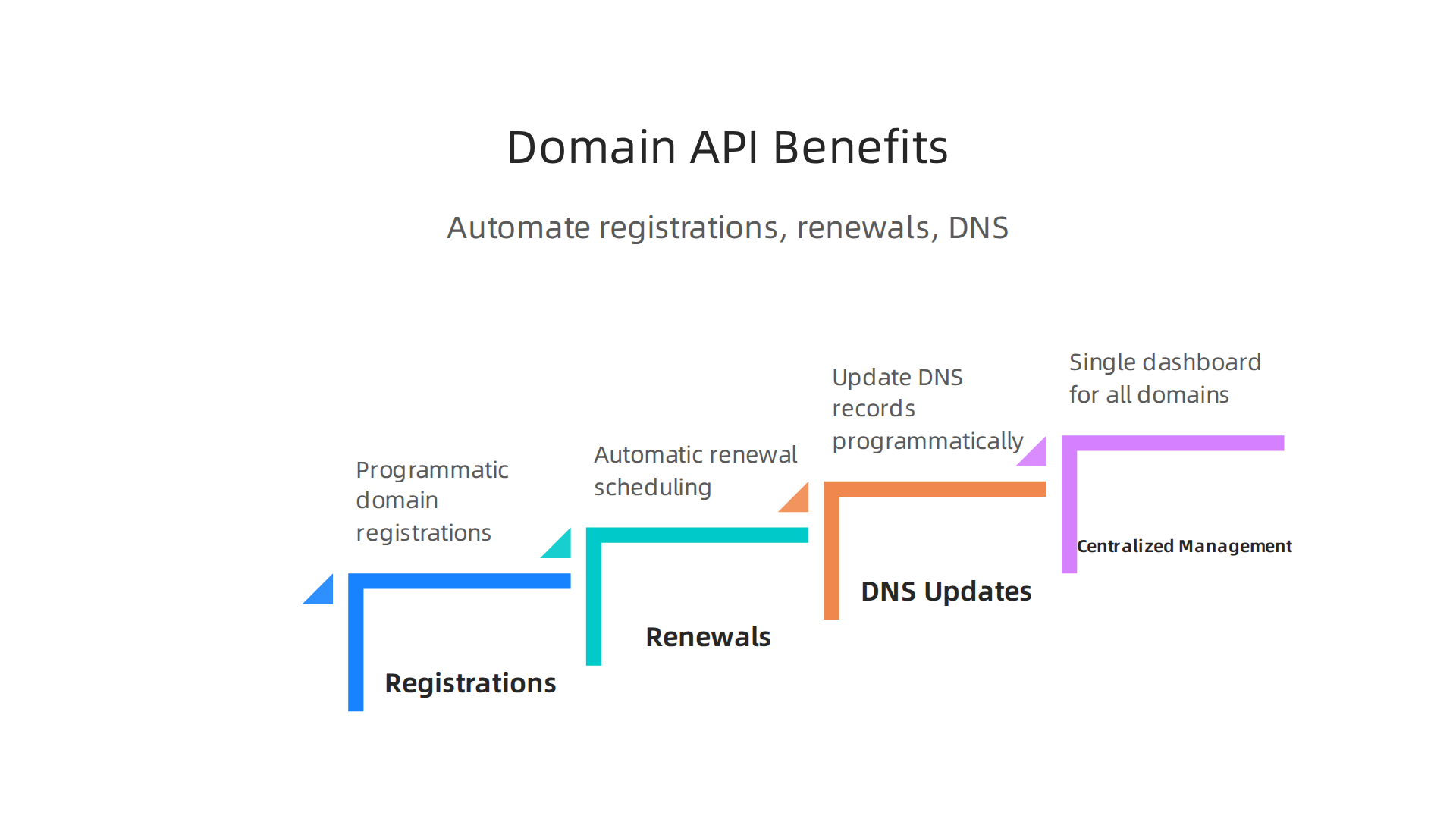
** As NameSilo explains in their guide, a domain API can automate registrations, renewals, and DNS record updates. You write a script once, and it runs in the background forever.
Registrars like Namecheap, Cloudflare, and DNSimple all offer APIs for pulling domain lists, adjusting nameservers, and checking expiration dates. Cloudflare recently launched a Registrar API that lets developers search, register, and manage domains without using the web dashboard. DNSimple API documentation shows you can also automate SSL certificate requests and domain transfers.
You do not have to build everything from scratch. Many registrars provide pre-built integrations or connect with tools like Hover and Cloudflare to centralize domain management across multiple accounts. Openprovider shares how scaling domain operations with APIs reduces manual tickets and gives you more control.
For affiliate entrepreneurs, these automated workflows are a game changer. Instead of logging into five different registrars every month, you pull everything into one dashboard or script. You save hours that you can spend on content and strategy.
This is how you go from managing a few domains to running a portfolio without burning out.
8. Real‑World Case Studies: Entrepreneurs Who Switched Registrars
Automation sounds great on paper. But does it actually deliver real savings? Here are two real examples of entrepreneurs who made the switch and saw big results.
Case Study 1: A Solopreneur With Five Affiliate Sites
Sarah runs five affiliate sites in different niches. She covers home fitness, personal finance, and pet health. For years, her domains were spread across three different registrars. She paid different renewal prices. She logged into separate dashboards every month. It was a mess.
Then she decided to consolidate everything to one registrar. She used a free domain name transfer offer to move her domains without extra cost. The whole process took one afternoon.
The result? She saved $120 per year on renewal fees alone. But the real win was time. She cut her admin work by two hours every month. She now uses that time to grow her pet site.

She recommends gear like the Fitbark dog activity monitor to her audience. That small efficiency gains her real momentum.
Case studies like Sarah’s are common. Many successful affiliate marketers follow similar strategies to scale their income and reduce waste.
Case Study 2: A Two-Person Team That Cut Maintenance by 70%
Tom and Lisa run a small portfolio of authority websites. They were drowning in manual DNS updates. Every time they needed to change a nameserver or add a record, they had to log in, navigate menus, and wait for changes. This took over 10 hours each week.
They decided to move to a registrar with a strong API. They automated their DNS updates completely.
Now, a task that took 30 seconds happens instantly. They cut their maintenance time by 70%. That is seven hours per week back in their schedule. They reinvested that time into creating content and building links. Large companies like Semrush have made similar strategic shifts to streamline their operations, showing that efficiency matters whether you work solo or in a team.
The Key Lesson: Test With a Low-Priority Domain First
Both of these entrepreneurs made one smart move. They tested their transfer process with a low-priority domain before moving their main site.
This simple step prevents big headaches. It confirms the transfer works, the DNS propagates correctly, and nothing breaks. Do not learn this the hard way. Always run a test transfer first. It keeps your traffic steady and your income safe.
Summary
This article explains how to move your affiliate-site domains to a single registrar using so-called
Related Articles